This post contains affiliate links. If you buy through them, we may earn a small commission at no extra cost to you.
A busy day often leaves the body tense and the mind buzzing. A short, slow yoga sequence before bed gives your nervous system a signal that the day is over.
These eight poses are gentle, take about ten minutes and work on a bed or a mat. Dim the lights, turn off screens and move slowly.
Before you begin
Wear something soft and warm. Keep the room dim and quiet. A yoga bolster or a couple of firm pillows make several poses more restful, and a diffuser with a calming scent can help (see our guide to the best essential oils for deep sleep).
8 calming poses
1. Easy seat with slow breathing
Sit comfortably and breathe in for four counts and out for six for one minute.
2. Cat-cow
Slowly round and arch your back on hands and knees to release the spine. Do eight slow rounds.
3. Child’s pose
Knees wide, forehead down, arms stretched forward or by your sides. Stay for one to two minutes. Place a bolster under your chest for extra support.
4. Seated forward fold
Sit with legs extended and fold forward over your thighs with soft knees. Let your head hang. Hold for one minute.
5. Reclining bound angle
Lie on your back, bring the soles of your feet together and let your knees fall open. Support the knees with pillows if needed. Stay for two minutes.
6. Supine twist
Drop your knees to one side and turn your head the other way. One minute each side.
7. Legs up the wall
Lie with your hips near a wall and rest your legs up against it. Stay for three to five minutes if it feels comfortable. This is a favorite for tired legs.
8. Final rest
Lie flat, close your eyes and scan your body from toes to head, softening each part. Stay as long as you like, then slide into bed.
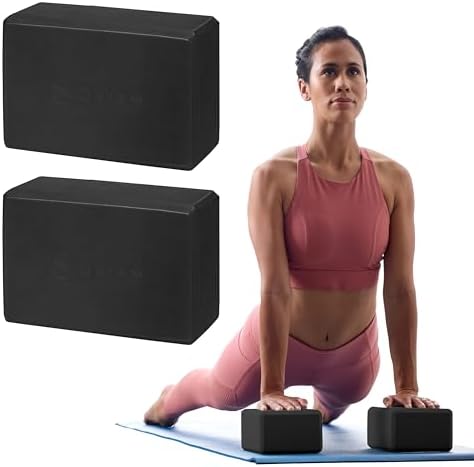
Handy picks for your bedtime yoga


Make it a habit
- Do the same sequence at the same time each night
- Keep movements slow and the breathing longer on the exhale
- Skip any pose that hurts, and keep it gentle
- Pair it with a short gratitude moment, as in our gratitude journal guide
A note on sleep
Yoga is not a cure for sleep problems, but a calm routine can make it easier to wind down. If you have ongoing trouble sleeping, talk to your doctor. Check with a healthcare professional before starting if you have an injury or are pregnant.
Build a calming evening routine
Yoga works best as part of a wind-down. Try this order: dim the lights an hour before bed, put your phone away, do the poses above, then spend a few minutes writing a short list of tomorrow’s tasks so your mind can let go. Finish with slow breathing in bed.
Common mistakes
- Doing energetic flows at night. Save sun salutations for the morning. Evening is for slow, supported poses.
- Holding poses too briefly. Restorative poses need a minute or more for the body to soften.
- Forcing stretches. A gentle stretch is calming. Straining is not.
When to see a doctor
If you often lie awake for hours, snore loudly, wake gasping or feel exhausted all day, speak with a doctor. Sleep problems can have medical causes that yoga alone cannot fix.
Why evening yoga is different
Daytime yoga often builds heat and energy. Evening yoga does the opposite. It keeps movements slow, holds poses for longer and uses support so your muscles can let go. The goal is not to stretch as far as possible but to feel safe and heavy, a bit like a cat curling up for the night.
Breathing for sleep
Long exhales help your body relax. Try breathing in for four counts and out for six or eight. If counting keeps you awake, simply make your exhale a little longer than your inhale and let your belly soften. A few minutes of this at the start and end of your routine can make a noticeable difference.
Creating the right environment
- Light: Dim lamps or use a warm bulb. Bright overhead lights tell your brain it is daytime.
- Temperature: A slightly cool room helps sleep. Keep a blanket handy for final relaxation.
- Sound: Silence, soft instrumental music or gentle nature sounds work well. Our guide to using a singing bowl shows a calming way to end the practice.
- Screens: Put your phone out of reach so you are not tempted to check it during rest.
Modifications for common problems
Lower back tension: Place a pillow under your knees in reclined poses and avoid deep twists.
Tight hips: Prop your knees with pillows in reclining bound angle so the inner thighs release gradually.
Restless mind: Count your breaths backward from twenty, or imagine a slow wave moving through your body with every exhale.
Cold hands and feet: Wear socks and cover yourself with a blanket in the final rest.
A 5-minute emergency routine
When you are exhausted and have no time for the full sequence, try this: three slow breaths in easy seat, one minute in child’s pose, one minute of legs up the wall or a supine twist on each side, and two minutes of final rest. Even this short version tells your body the day is done.
What to expect
Some people fall asleep faster after a few nights. For others, the benefit is simply feeling calmer in bed. It can take two or three weeks of regular practice to see a clear pattern, so be patient. Keep the same order of poses each night, because familiarity itself becomes a cue for sleep.
Combine with healthy sleep habits
Yoga helps, but sleep is also shaped by regular bedtimes, daytime light, limited caffeine in the afternoon and a comfortable bed. Think of yoga as one piece of a larger wind-down routine rather than the whole solution.
Keep reading
- How to Choose the Perfect Yoga Mat
- The Best Essential Oils for Anxiety, Focus, and Deep Sleep
- How to Start a Gratitude Journal