This post contains affiliate links. If you buy through them, we may earn a small commission at no extra cost to you.
A body scan is one of the simplest meditations to learn. You lie down, move your attention slowly through your body and notice how each part feels. It needs no special skill and works well before sleep.
What is a body scan meditation?
In a body scan, you bring gentle attention to each area of the body in turn, from the toes to the head. You are not trying to change anything. You are noticing tension, warmth, tingling or nothing at all, and letting each area soften.
How to do a body scan, step by step
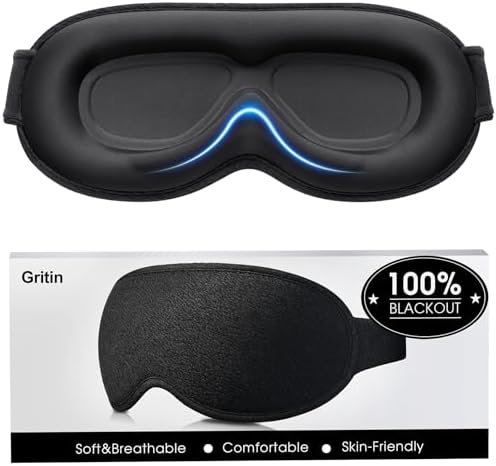
- Get comfortable. Lie on your back on a bed or mat. Put a pillow under your knees if your lower back feels tense. A soft sleep eye mask can help block light.
- Take three slow breaths. Breathe in through the nose and out slowly through the mouth.
- Start with your feet. Notice your toes, the soles, the heels. Imagine your breath flowing into them.
- Move up slowly. Lower legs, knees, thighs, hips. Spend 20 to 30 seconds on each area.
- Scan the torso. Belly, lower back, chest, upper back. Notice the rise and fall of your breathing.
- Move to the arms. Fingers, palms, forearms, shoulders. Let your shoulders drop away from your ears.
- Finish with the head. Neck, jaw, face, eyes, forehead. Soften your jaw and let your tongue rest.
- Feel the whole body. Rest for a minute as one calm body breathing.
Handy picks for a restful body scan


How long should it take?
A full scan takes about ten to twenty minutes. If you are short on time, a five-minute version works too: feet, legs, belly, chest, arms, face.
If your mind wanders
It will. Nobody keeps attention perfectly. When you notice you are thinking about your to-do list, return to the last body part you remember. Being kind about wandering is the practice.
Tips
- Practice at the same time each day to build the habit
- Use a quiet guided recording if you prefer a voice to follow
- Try it after a bath, a stretch or some calming breathwork
- If lying down makes you sleepy and you want to stay awake, sit in a supported chair instead
A note on safety
Body scans are generally gentle. If paying attention to your body makes you feel anxious or distressed, stop and open your eyes. If you are dealing with trauma or a health condition, ask a qualified professional before practicing.
For more ways to wind down, explore our guides to at-home spa and meditation and radical rest.
Variations to try
- Short scan: Five minutes, moving through just five regions: feet, legs, belly, chest and face.
- Release scan: Gently tense each area for three seconds, then let go. This is helpful if you hold a lot of tension.
- Seated scan: Do it in a chair at work. Notice your feet on the floor, your back against the seat and your hands in your lap.
Common mistakes
- Trying to relax on command. You are noticing, not forcing. Relaxation often follows when you stop trying.
- Falling asleep and feeling you failed. For nighttime practice, falling asleep is a perfectly good result.
- Judging sensations. Numbness, itching or nothing at all are all normal. Just observe.
Building a habit
Put a reminder on your phone for the same time each evening and keep the practice short at first. After a couple of weeks, many people notice they get better at spotting tension during the day, such as a clenched jaw or tight shoulders, and can release it before it builds.
Where the body scan comes from
The body scan is a core practice in mindfulness-based stress reduction, a program developed in the 1970s to help people manage stress and pain. It has since been widely used and studied. Research suggests that regular mindfulness practice can reduce feelings of stress and improve wellbeing for many people, though it works differently for everyone and is not a replacement for medical care.
Detailed pointers for each body region
Feet and legs. Notice contact points, warmth or coolness, tingling, pulse or no sensation at all. Be curious about the differences between the left and right sides.
Hips and lower back. Many people carry tension here after sitting. Allow the surface beneath you to hold your weight. Imagine the muscles softening like warm wax.
Belly and chest. Feel the rise and fall of breathing without changing it. If your belly feels tight, place a hand on it and breathe slowly.
Shoulders, arms and hands. Notice whether your shoulders are lifted. Let them melt toward the floor. Feel your fingers and palms, and let your hands open.
Neck and jaw. Often the most tense places. Unclench your teeth, let your tongue drop from the roof of your mouth and soften the muscles around your eyes.
Scalp and face. Imagine a gentle wave of relaxation rolling over the top of your head and washing down through your face.
Using a guided recording
If you find it hard to focus, a recorded voice can guide you. Choose a calm, unhurried voice and a length that fits your day. After a few weeks, you can try practicing in silence, using the same order of body parts.
Body scan for different needs
- For sleep: Practice in bed with lights off, and let yourself drift off if it happens
- For stress at work: Do a seated, eyes-open scan for two minutes, noticing your feet, back and hands
- For pain or discomfort: Rather than fighting the sensation, observe it with curiosity and breathe around it. If it increases, adjust your position or stop
- For building focus: Practice earlier in the day, sitting upright, and stay awake throughout
What many beginners notice
You may find places you did not realize were tense, or feel your mind wandering more than expected. That is normal. Over time, the practice trains you to notice tension earlier and release it. Some people feel a sense of heaviness, warmth or emotional release. Move at your own pace and stop if anything feels too intense.
Making it a ritual
Pair your scan with other calming steps: a warm shower, a few stretches from our evening yoga routine, dim light and silence. Keep a notebook by the bed to jot down any lingering thoughts so you can let them go. Consistency matters more than length, so a short daily practice is more useful than a long occasional one.
Keep reading
- Breathwork for Calm: Simple Breathing Techniques to Reduce Stress
- At-Home Spa and Meditation: Products and Tips for Relaxation
- Radical Rest: Why Doing Nothing Is the Most Productive Self-Care