If your energy takes a dramatic nosedive the moment the weather turns gray (or your mornings feel like they start at “low battery” by default), you’re not imagining it. Light affects our internal clock, alertness, and mood—sometimes more than coffee does. That’s where light therapy lamps come in: bright, daylight-like lamps designed to help you feel more awake, more motivated, and generally more like yourself.
This guide breaks down the best light therapy lamps for mood and energy, what features actually matter, and how to use one safely—without turning your desk into a tiny interrogation room.
What a light therapy lamp actually does (in plain English)
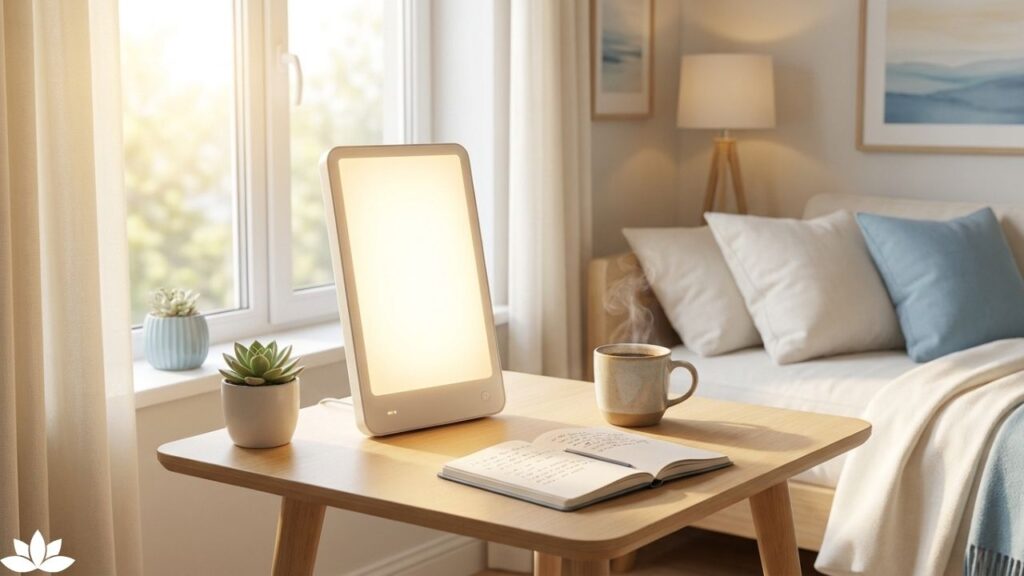
A quality light therapy lamp mimics bright outdoor light, which can help regulate your circadian rhythm—your body’s internal schedule that influences sleep, wakefulness, and mood.
People often use light therapy lamps for:
- Seasonal mood changes (the classic winter blues)
- Low energy and sluggish mornings
- Shift work or irregular schedules
- Trouble waking up naturally
- Sleep schedule resets (hello, “revenge bedtime procrastination”)
The most common recommendation for mood and energy support is a lamp that delivers 10,000 lux of brightness at a comfortable sitting distance.


The 7 best light therapy lamps for mood and energy
Below are strong, popular picks across different budgets and setups. (And yes—some are cute enough to leave out year-round.)
1) Best overall: Carex Day-Light Classic Plus (bright, powerful, and reliable)
Why people love it: This is one of the most consistently recommended options because it’s big, bright, and doesn’t force you to sit two inches from it like a houseplant under a grow light.
Standout features
- Very strong brightness (great if you want a “real daylight” effect)
- Large surface area (more comfortable on the eyes)
- Good choice for home desks, kitchen tables, or a morning routine spot
Best for: Someone who wants a “buy once, use for years” lamp for mood + energy.

- Optimal 10,000 LUX Light Therapy at 12 Inches: Experience the recommended 10,000 LUX of glare-free white light with the …
- Expert-Recommended LED Therapy Light: Embrace natural light therapy with confidence. Our lamp, inspired by Mayo Clinic r…
- Full Spectrum Light for Enhanced Well-being: Benefit from superior light therapy with our large sunlight lamp. Designed …
2) Best value: Northern Light Technologies (classic “box” lamps)
Why people love it: These are classic light therapy lamps—no extra frills, just the features that matter. If you want 10,000 lux performance without paying for fancy design extras, this category is a solid bet.
Standout features
- Straightforward light therapy performance
- Usually easy to position on a desk or table
- Trusted brand reputation in the light therapy space
Best for: Beginners who want something effective and uncomplicated.

- Offers 10,000 lux of diffuse light at a distance of up to 12 inches, UV blocked
- Full Spectrum Lighting. Size-13 inches x 7 inches x 3 inches
- Its compact and light-weight design make the Travelite a truly portable desk lamp
3) Best for small desks: Verilux HappyLight series (compact and easy to place)
Why people love it: If your desk already looks like a technology jungle (laptop, charger, water bottle, emotional support sticky notes), a compact lamp is a lifesaver.
Standout features
- Smaller footprint for tight spaces
- Multiple brightness settings on many models
- Easy to travel with (depending on the version)
Best for: Office desks, small apartments, dorm rooms, and people who want a portable option.


4) Best premium pick: Philips-style daylight lamps (comfort + build quality)
Why people love it: Philips tends to do “pleasant light” very well. Some higher-end models focus on a more gentle experience with excellent diffusion (less “harsh spotlight,” more “nice morning window”).
Standout features
- High-quality light diffusion (often easier on the eyes)
- Great build quality and design
- Often more comfortable for sensitive users
Best for: People who want premium comfort and a lamp that looks good in a bedroom or living room.
5) Best adjustable setup: professional, angle-friendly lamps (flexible positioning)
Why people love it: Adjustable angle and stable designs make it easier to get the light where you need it—especially if you move around while doing your morning routine.
Standout features
- Strong brightness with a “professional” feel
- More positioning flexibility than ultra-compact models
- Often designed for regular daily use
Best for: Anyone who wants an ergonomic setup and hates fiddling with lamp placement.

- 10,000 Lux Full Spectrum Light: The Xvolt Light Therapy Lamp delivers a powerful 10000 lux of high-intensity, full spect…
- 3 Adjustable Color Temperatures: Experience personalized illumination with the Xvolt Light Therapy Lamp, featuring 3 uni…
- 6-Setting Precision Countdown Timer: Take full control of lighting sessions with the Xvolt 10,000 Lux Light Therapy lamp…
6) Best for travel: thin LED light therapy panels (lightweight and suitcase-friendly)
Why people love it: Travel can wreck sleep schedules and energy. A travel-friendly lamp helps you keep a routine even when your hotel curtains are doing absolutely nothing.
Standout features
- Slim and easy to pack
- Quick morning sessions while you work or eat breakfast
- Good for frequent travelers and business trips
Best for: Travelers, remote workers, and anyone who wants a “backup lamp” for consistency.


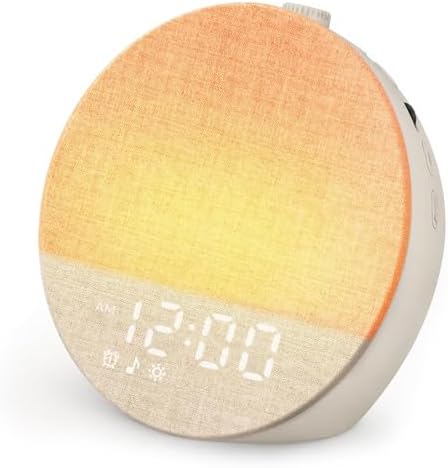
7) Best “routine builder” approach: sunrise alarm + light therapy combo
Why people love it: Some people respond best when light is built into a routine: a gentle sunrise wake-up, then a short session with a brighter lamp while drinking water/coffee/pretending you love mornings.
Standout features
- Easier habit-building (wakes you more naturally)
- Helps with groggy mornings
- Great if you struggle to get out of bed
Best for: People who want mood + energy support and a better morning rhythm.


What to look for in the best light therapy lamp (so you don’t buy a glorified desk light)
1) Brightness: aim for 10,000 lux
Lux is the measure of light intensity. For typical light therapy routines, 10,000 lux is the standard benchmark.
Important: that 10,000 lux is often achieved at a specific distance (like 6–12 inches). A larger lamp may let you sit farther back more comfortably.
2) UV-free light (non-negotiable)
A proper light therapy lamp should be UV-filtered or UV-free. This is one of the most important safety features.
3) Size and diffusion: bigger can feel better
A larger surface area often feels less “stare-into-the-sun-ish,” even at high brightness. Good diffusion can make sessions more comfortable.
4) Adjustable angle and stable stand
You want the light hitting your eyes indirectly (more on that below), not blasting your face like you’re on a reality TV reunion episode.
5) Color temperature: neutral to cool daylight is common
Many light therapy lamps sit in the daylight range (often around 5000K–6500K). Some people prefer slightly warmer tones, but brightness and UV safety matter more than chasing the perfect “daylight vibe.”
6) Certifications and reputable brands
Look for brands with clear specs, good safety info, and honest lux-distance claims. If the listing feels vague—“SUPER BRIGHT HAPPY LIGHT FOR EVERYTHING”—proceed with caution.
How to use a light therapy lamp for mood and energy (without overthinking it)
Most people do best with a simple routine:
Typical starting plan
- Use it in the morning, soon after waking
- Start with 15–20 minutes
- Work up to 30 minutes if needed
- Use it daily, especially during darker months
Positioning tip (key!)
- Place the lamp slightly off to the side (not directly in front of your eyes)
- Keep your eyes open, but don’t stare at the light
- You can read, eat breakfast, journal, work—basically live your life, just brighter
When you’ll notice results
Some people feel a difference in a few days. For others, it takes 1–2 weeks of consistent use.
Common mistakes (that make people think light therapy “doesn’t work”)
- Using it too late in the day
Afternoon/evening use can mess with sleep in some people.
- Sitting too far away
If the lamp is designed for 10,000 lux at 8 inches and you’re sitting 3 feet away, you’re basically politely asking it to help from across the room.
- Using it inconsistently
Light therapy is more like brushing your teeth than taking a magic potion. It works best as a routine.
- Buying a lamp with unclear specs
If lux, UV filtering, and recommended distance aren’t clear, skip it.


Safety notes (boring but important)
Light therapy is generally safe for many people, but it’s smart to be cautious.
Talk to a healthcare professional first if you:
- Have bipolar disorder (light therapy can trigger mania for some)
- Have eye conditions or take medications that increase light sensitivity
- Experience headaches, agitation, or insomnia from light therapy
If you get side effects:
- Reduce session time
- Sit farther away
- Try a lower brightness setting (if available)
- Use it earlier in the morning
Bottom line: the best light therapy lamp is the one you’ll actually use
The “best” lamp isn’t necessarily the fanciest—it’s the one that fits your space, your mornings, and your attention span. If a lamp is comfortable, UV-free, reliably bright, and easy to use while you do normal morning things, you’re far more likely to stick with it—and that’s when the mood and energy benefits really show up.
If you want a simple rule: look for 10,000 lux, UV-free, reputable brand, and a size that feels comfortable at your sitting distance. Then make it part of your morning like brushing your teeth… except this one doesn’t taste like mint.