When you’re trying to focus or just chill out, the sounds around you matter way more than most people realize. Both white noise and nature sounds are go-to choices for background audio that helps with concentration and easing stress.
White noise gives you this steady, consistent hum that blocks out distractions. Nature sounds, on the other hand, offer a more soothing, ever-changing vibe that can feel a bit more peaceful and, well, alive.
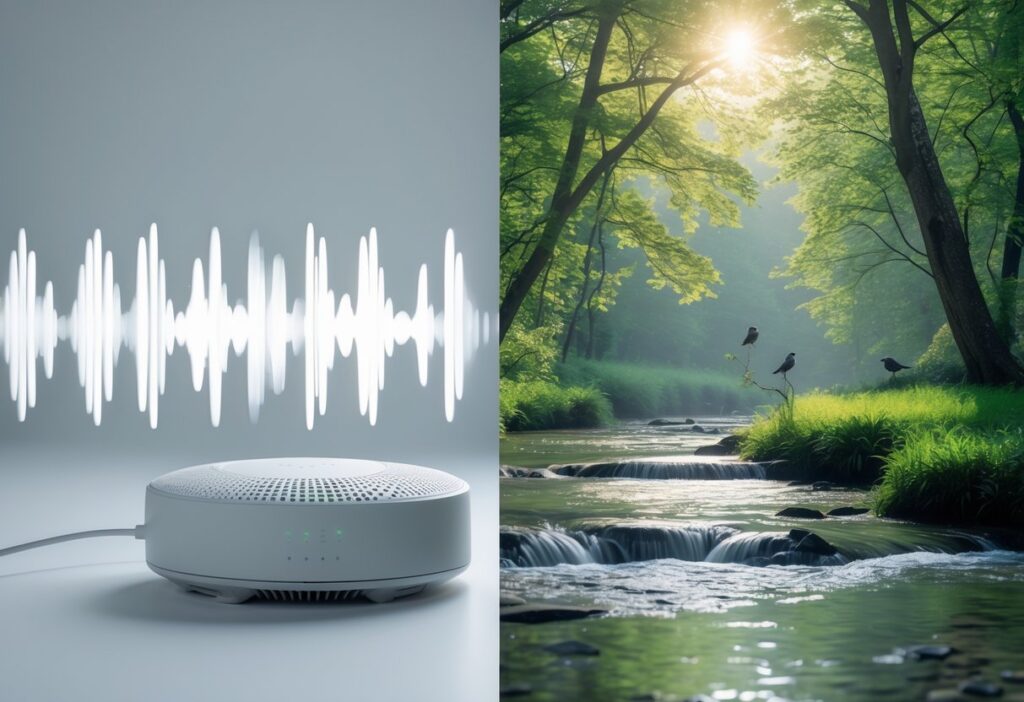
White noise is best if you want to block out disruptions and keep your mind on track, but nature sounds are fantastic for melting away stress and building a calm, pleasant atmosphere.
It really comes down to what you need in the moment—do you want to lock in your attention, or just give your mind a break? Understanding how each type of sound hits your brain can help you find the right audio for productivity or relaxation.
White Noise vs. Nature Sounds: Which is Best for Focus and Calm?
Picking the right soundscape can be a game-changer for blocking distractions and easing tension. Both white noise and nature sounds have their perks for focus and calm, but they work in their own unique ways.
Your needs for either steady concentration or soothing relaxation will probably steer your choice.
How White Noise Supports Focus and Concentration
White noise is all about consistency. It creates a steady, unvarying sound that drowns out sudden or distracting noises—kind of like turning down the volume on the world around you.
This consistency helps keep your brain from jumping at every little change in your environment. If you work somewhere with unpredictable sounds (hello, open offices), white noise acts as a shield, helping you stay locked in.
People often notice sharper cognitive function and longer focus sessions when using white noise. It’s a neutral background, free from emotional triggers or surprises. Many swear by white noise as their go-to concentration audio because it just steadies the mind during deep work.
Nature Sounds and Their Calming Influence
Nature sounds—think rain, wind, birds, flowing water—tap into something primal. They help you relax and lower your stress levels, probably because they remind you of being outside, away from the chaos.
Unlike white noise, nature sounds shift and change, which can make your environment feel more peaceful and less artificial. They work really well as calming background noise, especially if you’re feeling anxious or just want a gentle vibe while you work or wind down.
You’ll see nature sounds everywhere in stress relief sounds and sound therapy. They’re just good for emotional balance.
Comparing Effectiveness for Productivity and Relaxation
| Aspect | White Noise | Nature Sounds |
|---|---|---|
| Sound Pattern | Steady, unchanging | Variable, natural |
| Masks Distractions | Yes, especially sudden noises | More subtle |
| Effect on Focus | Strong, supports concentration | Mild, can aid calm focus |
| Effect on Relaxation | Promotes calm by blocking noise | Encourages relaxation through nature connection |
| Best Use | Busy, noisy environments | Creating peaceful, calm settings |
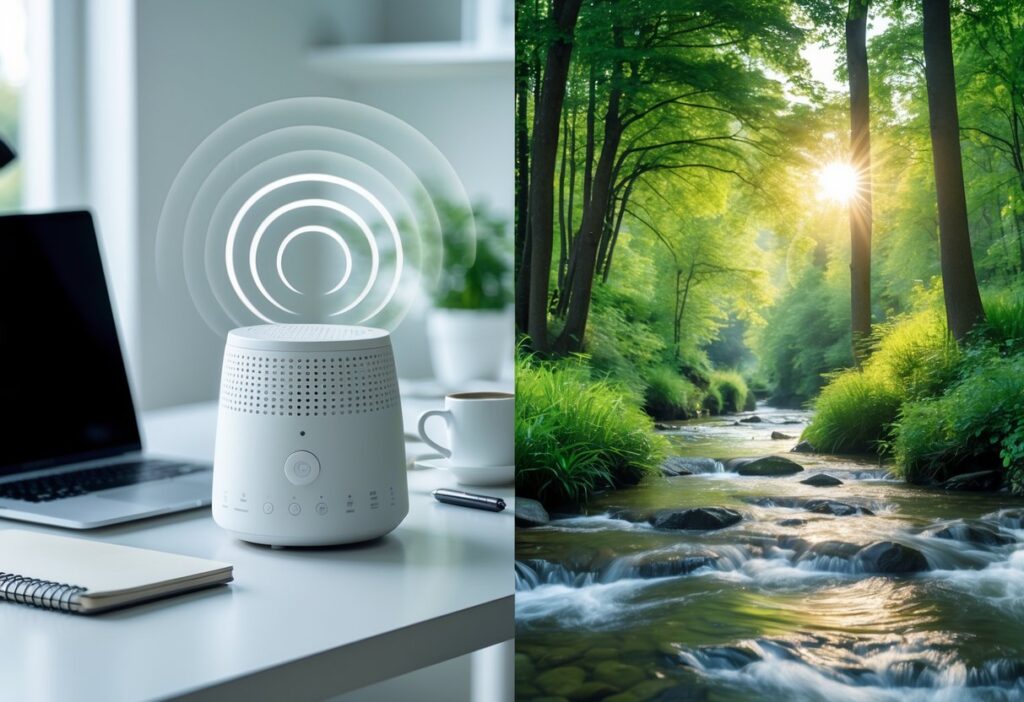
If you need to stay focused and block out random noises, white noise is usually the winner. But if you’re after a more soothing, natural atmosphere that melts stress, nature sounds might be your best bet.
Honestly, you can even mix the two—steady focus with a hint of nature warmth isn’t a bad combo at all.
Key Benefits and Techniques for Enhancing Focus and Calm
Sound therapy can really help you dial in your focus, shake off stress, and build a calm space. Whether it’s white noise or nature sounds, each type works a little differently to mask distractions and support relaxation.
Getting the right sound—and using it in the right way—can shape your study or work zone more than you might expect.
Benefits of White Noise for Focus, Sleep, and Well-Being
White noise offers a consistent, steady sound that covers up annoying noises. This makes it easier to concentrate by smoothing out the bumps in your environment.
It also lowers the odds that your brain will react to every distraction, so tasks that need your attention feel less exhausting. White noise machines usually play static or a gentle hum, which is a lifesaver if you’re stuck in a noisy spot.
For sleep, white noise can help you fall asleep faster by masking background sounds and giving you a stable audio environment. That means deeper, more restful sleep—something most of us could use more of.
It can even calm your nervous system by reducing those “fight-or-flight” jolts from sudden sounds.
Nature Sound Benefits and Stress Relief
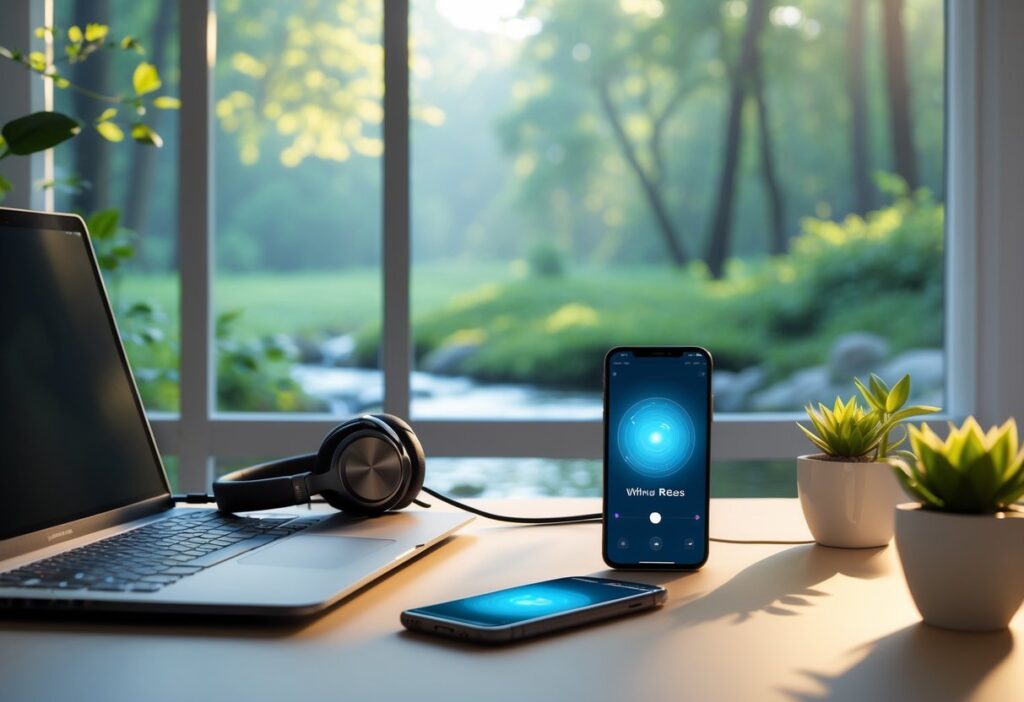
Nature sounds like ocean waves, rain, or birdsong are just different. They soothe your mind by mimicking peaceful places, making it easier to let go of stress and anxiety.
Using nature sounds for sleep or downtime can help you ease into a relaxed state. They’re usually less mechanical than white noise, which is a nice break if you’re sensitive to artificial sounds.
They can slow your heart rate and relax your muscles, supporting better sleep and overall well-being. Nature sound libraries are pretty broad, from forest sounds to gentle streams, so you can pick whatever fits your mood.
Choosing the Best Sound for Your Environment
The “best” sound really depends on your space and what you’re dealing with. If you’re living with unpredictable noise, white noise or a machine might be your lifesaver.
If you’d rather have something softer and more organic, nature sounds could be the way to go. They’re often less fatiguing over long stretches and just feel more pleasant.
If white noise feels too harsh, try out pink noise or brown noise—brown noise in particular has deeper tones that a lot of people find gentler. Don’t forget to keep the volume in check. Too loud, and even relaxing sounds become a whole new distraction.
In the end, it’s all about finding what works for you. There’s no single answer, and sometimes it takes a little trial and error. But once you land on the right sound, you’ll probably wonder how you managed without it. Happy listening!
Techniques to Integrate Sound Therapy into Daily Routines
Try picking specific times for sound therapy—maybe during focused work, study, or winding down before bed. A noise machine or a simple app can do the trick, as long as it doesn’t cut out unexpectedly.
Set up a spot that feels comfortable, where outside noise won’t get in the way. Pairing sound with deep breathing or a bit of mindfulness can really dial up the calm, at least in my experience.
Play around with how long you listen. Some folks like steady sound all through their work hours, but honestly, shorter bursts during breaks work better for others.
Over time, your brain starts to link certain sounds with focus or relaxation. That makes it way easier to slip into those states whenever you need.
It’s not about perfection—just finding what fits your day. Give it a shot, tweak as you go, and you might be surprised at how much sound can shift your mood or focus.