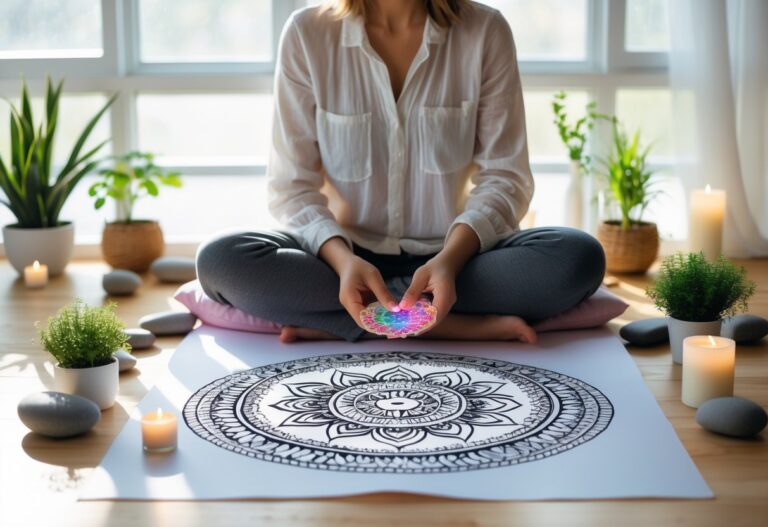
You might wonder if you’re meditating the right way, especially when the benefits like calmness or focus don’t come instantly. The truth is, there is no single “right” way to meditate, and knowing you’re meditating correctly comes from your own experience, not a strict set of rules. Meditation is a personal practice, and what works for one person might not work for another.

Many beginners make the mistake of expecting immediate peace or a completely empty mind. Meditation is about being present and aware without judging your thoughts. Learning to observe your mind without control is a key part of how meditation really works. Understanding this can help you stop doubting and start enjoying the process.
As you explore meditation, focus on simple habits like finding a comfortable seat, turning off distractions, and practicing regularly. These tips will support your mindfulness practice. Remember, meditation isn’t about perfection but about gently bringing your attention back when it wanders. This approach helps you build benefits over time like relaxation, clarity, and better emotional balance.
How to Tell If You’re Meditating ‘Right’: Debunking the Myth of Meditating Correctly
You don’t need perfect posture, a totally empty mind, or a long meditation session to be “doing it right.” Meditation is more about how you connect with the moment than about following strict rules. Knowing what to expect and avoiding common errors will help you feel confident in your practice.
Understanding Meditation Myths
Many believe meditation means having no thoughts or sitting perfectly still, but these ideas are not true. Your mind will naturally wander. That’s normal. Meditation isn’t about stopping thoughts but noticing them without getting caught up.
You also don’t need a special place or fancy equipment. Even a few minutes of focused breathing while sitting comfortably counts. You don’t need to clear your mind completely or achieve total calm to benefit from meditation.
Let go of the idea that there’s one right way. Your meditation is correct if it fits your goals and helps you feel more aware or calm.
Signs You’re on the Right Path

You might wonder if your meditation is “working.” Some signs you’re on the right path include feeling a bit more relaxed after sessions and becoming more aware of your breath and body sensations. You might notice being less reactive to stress or becoming more focused during the day.
Meditation isn’t about reaching a perfect state or stopping all thoughts. It’s normal to feel distracted sometimes. When you gently bring your focus back to your breath or chosen anchor, that’s progress.
Key signs to watch for:
- Increased attention to the present moment
- Less judgment of your thoughts
- A softer, quieter mind between distractions
These signs show your mind is training even if it’s not perfect.
Non Judgmental Mindfulness
The core of meditation is mindfulness without judgment. This means you observe your thoughts and feelings with kindness, not criticism. You let things be as they are, without deciding if you’re “good” or “bad” at meditating.
When distractions appear, don’t punish yourself or get frustrated. Simply notice what’s happening and return your attention softly. This gentle approach helps train your mind and lowers stress.
Practicing non judgmental mindfulness can help you handle daily challenges better. It turns meditation into a safe space for yourself rather than a test of skill.
Common Meditation Mistakes
Many beginners worry about sitting perfectly still or having an empty mind. These worries can make meditation feel harder or cause you to quit early. Moving your body slightly, adjusting your posture, or having thoughts during meditation are not mistakes. They are part of the process.
Trying to force your mind to be blank or controlling your breathing can create tension. Instead, allow thoughts and feelings to come and go freely. If you get restless and scratch an itch or move, gently bring your focus back but don’t view those moments as failure.
Avoid setting unrealistic goals like “meditate without thinking.” Focus on consistency and gentle awareness instead. This mindset keeps meditation accessible and effective.
Guidance for Beginners: Practical Meditation Tips and Benefits
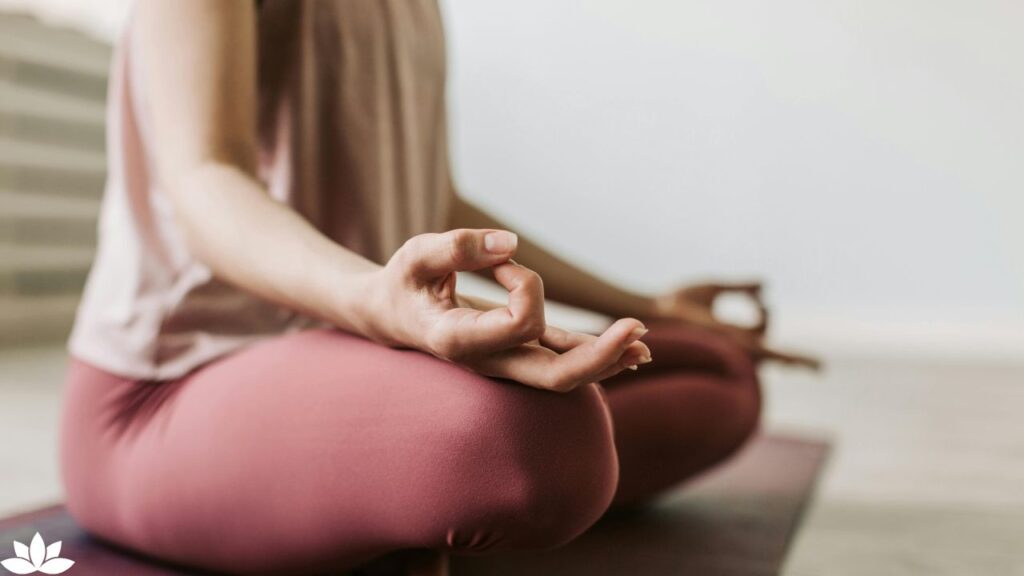
Starting meditation means learning simple methods and understanding what to expect. You can focus your attention, notice thoughts without judgment, and build good habits with patience. Meditation helps your mind stay calm and sharp over time.
How to Meditate Properly
Meditating properly doesn’t mean doing it perfectly or reaching a special state. You begin by finding a quiet place and sitting comfortably. Keep your spine straight and relax your body. Close your eyes or keep them slightly open with a soft gaze.
Focus your attention on your breath, a word, or a feeling. When your mind wanders, gently bring it back without judging yourself. The key is consistent practice, not achieving a certain mood right away.
You don’t need special equipment or to sit for long periods. Start with five to ten minutes and increase as you feel comfortable.
Beginner Meditation Tips
Keep your sessions short and regular to build a habit. Choose a specific time and place daily so meditation becomes part of your routine.
Avoid expecting immediate results. Meditation is a skill that grows over time. Use guided meditations or apps to help you stay focused.
If you struggle with distractions, try counting your breaths or focusing on sounds around you. It’s normal to feel restless at first; respond kindly to yourself.
Write in a journal about your experience. This can help track progress and notice subtle changes.
Mindfulness Practice Explained
Mindfulness means paying attention to the present moment without judging it as good or bad. You notice your thoughts, feelings, and sensations without trying to change them.
When you practice mindfulness during meditation, you develop awareness that helps in daily life. It can reduce stress by stopping your mind from getting stuck on worries or regrets.
Non-judgmental awareness means accepting whatever comes up during meditation—whether distraction, discomfort, or emotion—without criticism. This acceptance helps you stay present instead of getting caught up in your thoughts.
Benefits of Meditation
Meditation can reduce stress and improve your mood by calming your nervous system. It enhances attention and focus, helping you be more productive.
Regular practice supports better sleep, lowers blood pressure, and boosts your overall sense of well-being. It can also increase emotional resilience, making it easier to handle difficult situations calmly.
You miss the point if you expect meditation to fix problems instantly. Benefits build gradually, so daily practice is more important than perfection.